Cafe Beignet, Royal Street
Cafe · French Quarter ·
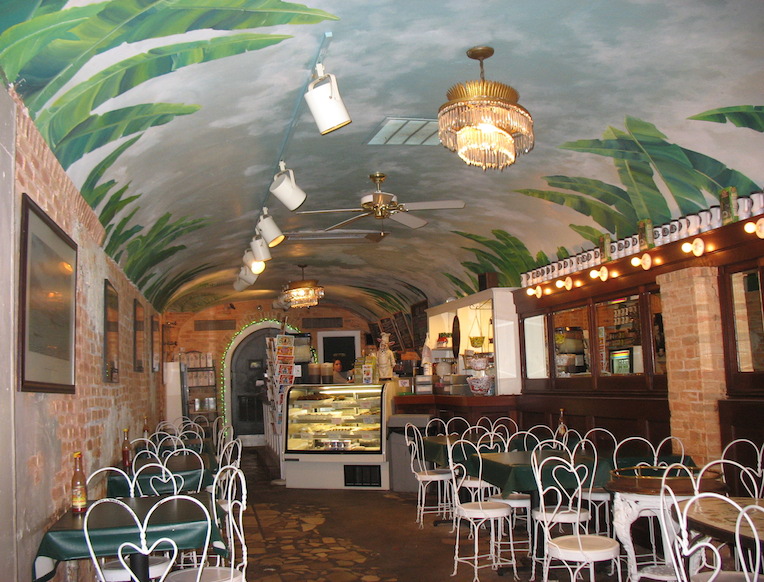
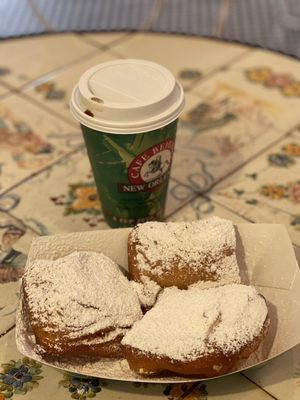
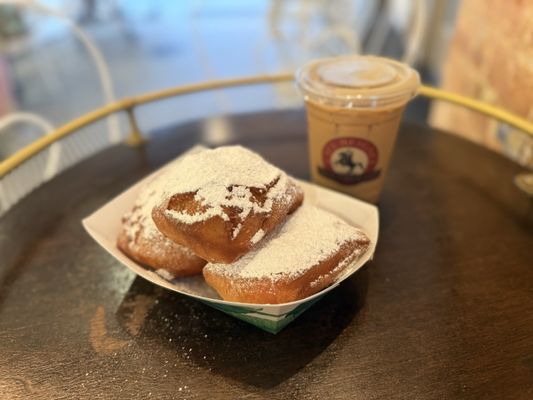
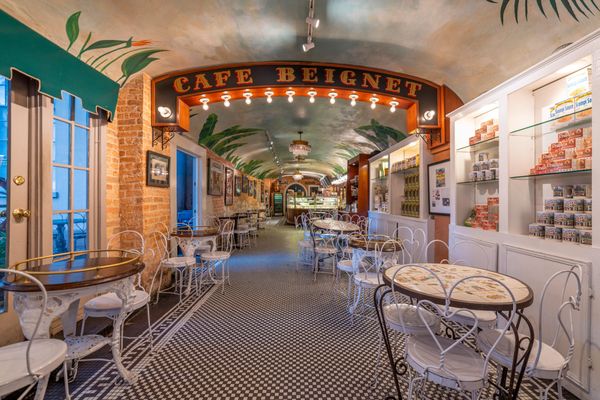
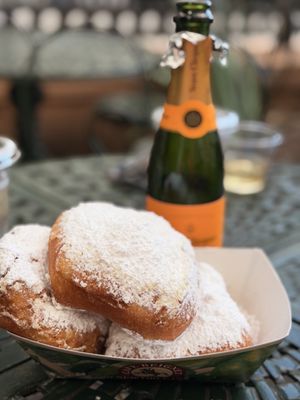
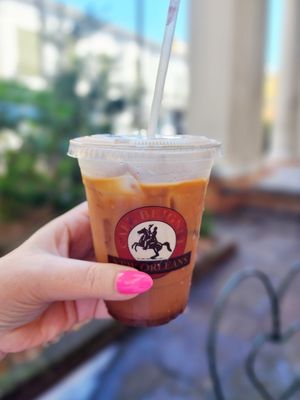
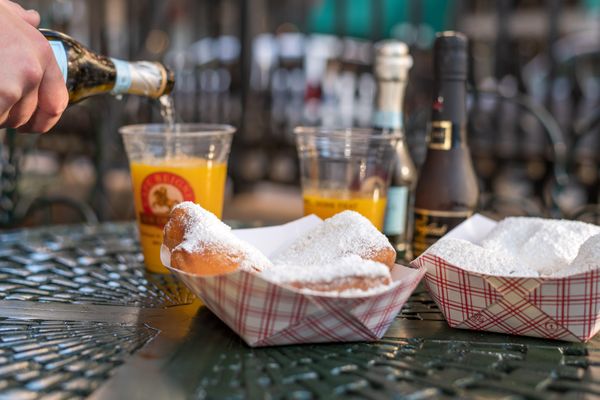
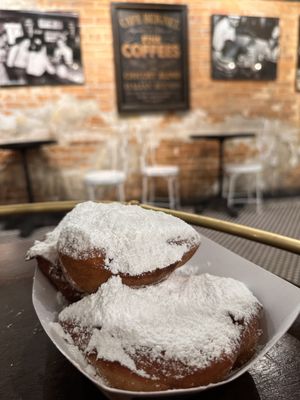
Freshly fried beignets, Cajun fare, café au lait, patio










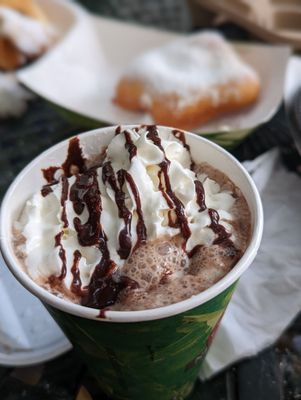
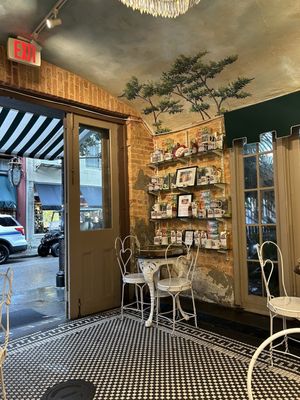


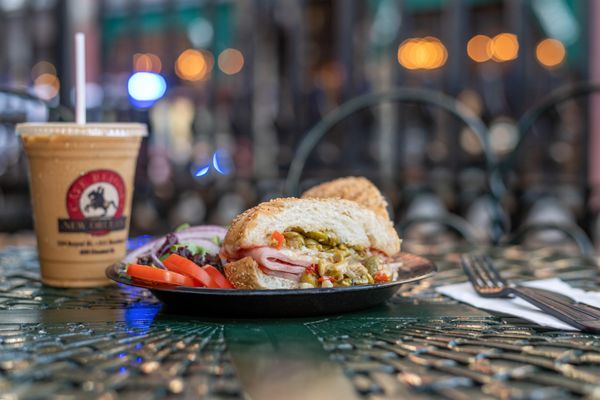


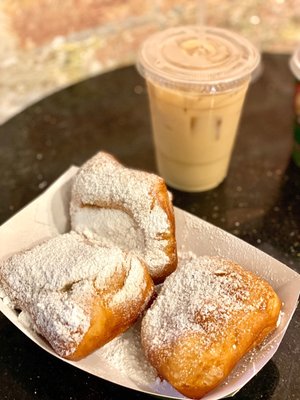




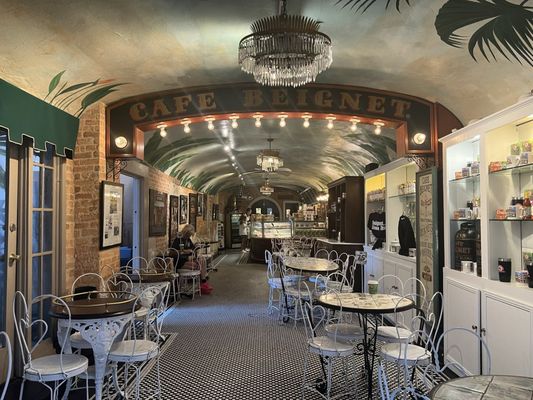
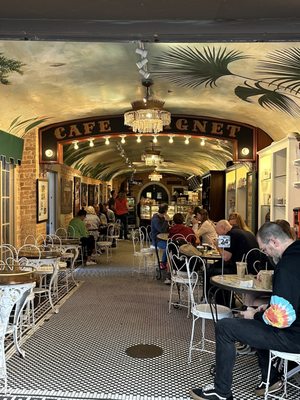


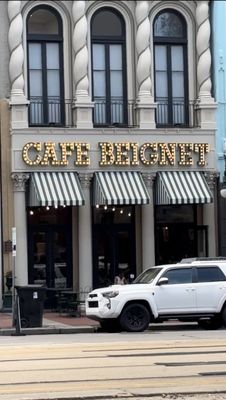
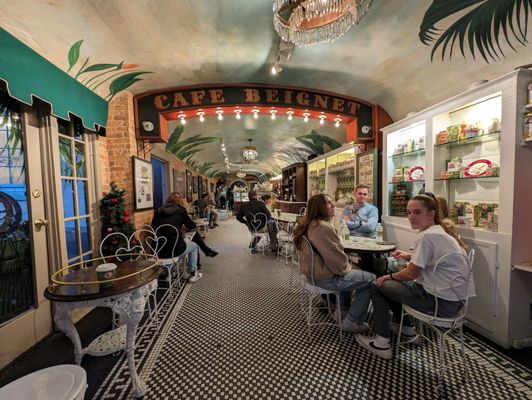
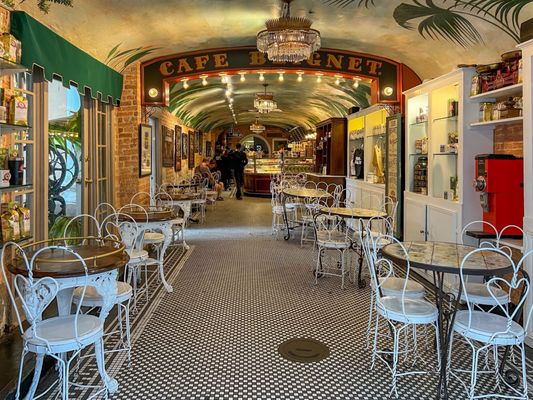
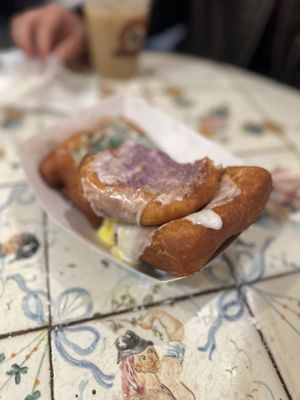
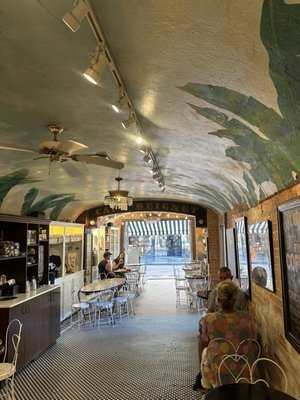


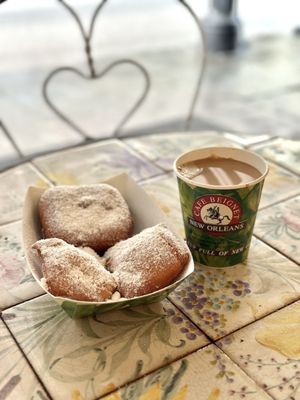
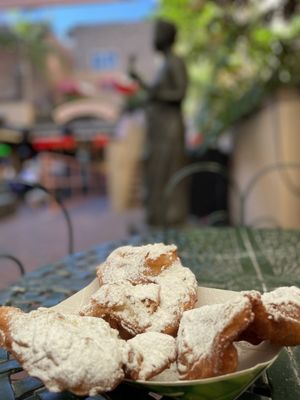
Freshly fried beignets, Cajun fare, café au lait, patio
"This is where visitors frequent if they want their beignets along with a hot breakfast in the French Quarter. Cafe Beignet has three locations, including one on Bourbon Street, and a menu of eggs, grits, waffles, and New Orleans staples including red beans and rice and etouffee." - Beth D’Addono
"Come to this French Quarter standby for the beignets (they’re slightly crispier and less doughy than others in town), and stay for the classic Cajun breakfast and lunch. Crawfish omelets, roast beef po-boys, and jambalaya are served on paper plates but easily rival their fancy restaurant counterparts when it comes to taste. There are two locations, one on Royal Street and a second on Bourbon Street. The latter is famous for daily, live jazz shows and the impromptu dance parties they incite."
Gary C.
Frank F.
Jacob C.
Rabah C.
Jimmy S.
Thanh V.
T. F.
Charlie W.

Katrina P.

Grace C.

Jared H.

Olivia B.

Glenn G.

Nicole H.

Maria M.

Louise F.

Shoshana A.

Miranda R.

Adrianne B.

Earnest C.

Glenda R.

Nikki F.

Grace H.

Chris T.

Elaine C.

Marlette C.

Timothy D.

Morgan F.

Jeff N.

Nastaran A.
Bobbi B.

Jason Y.

Edward S.

Mina T.

Cortney A.

Colette H.

Amy D.

Edan D.

Brandon S.

Terrance F.

Alisa W.

Natasha L.

Marcella N.
Vicki S.

Aditi K.

Roselyn Y.

Carol M.

Karo R.

Carly W.

Janet B.

Shafiq A.

Rob L.
Camilla W.

Gabriel M.

Joe D.

jessica s.

Danielle N.

