Curzon Soho
Movie theater · Soho ·
Arthouse cinema with 3 screens, cafe, bar, and Q&As

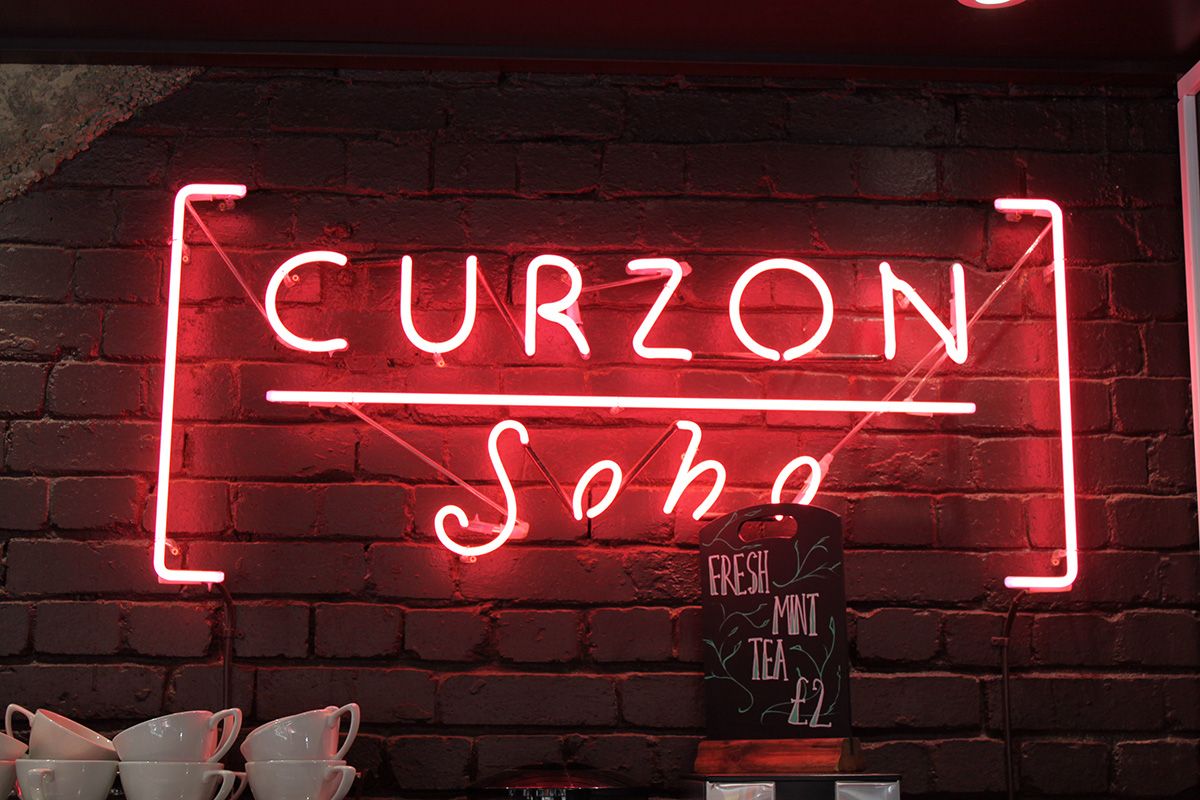


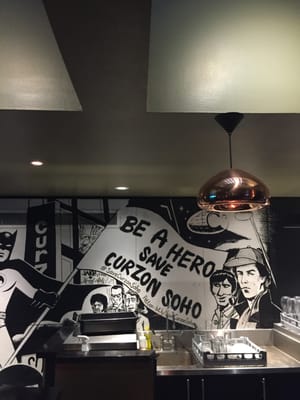
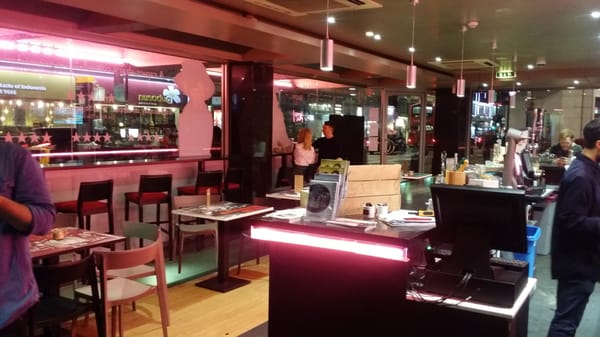


Information
99 Shaftesbury Ave, London W1D 5DY, United Kingdom Get directions
Arthouse cinema with 3 screens, cafe, bar, and Q&As
99 Shaftesbury Ave, London W1D 5DY, United Kingdom Get directions
"A Soho institution, this is one of the leading arthouse cinemas in London. It has 3 screens (with good sound and comfy chairs), a café (with delicious cakes) and a bar (which is a nice place for a drink, whether you're seeing a film or not). Part of the Curzon group, but with its own identity, this is a far cry from the multiplexes that abound. It also regularly hosts a number of Q&As and other events." - Hyperkit
"Curzon Soho, Soho. A Soho institution, this is one of the leading arthouse cinemas in London. It has 3 screens (with good sound and comfy chairs), a café (with delicious cakes) and a bar (which is a nice place for a drink, whether you're seeing a film or not). Part of the Curzon group, but with its own identity, this is a far cry from the multiplexes that abound. It also regularly hosts a number of Q&As and other events."
Sean B.
Patric H.
Yasmina “.
Vic P.
Bindy
Dorothy
Elsa P.
Odafe T.
Daniel B.

Jordi Z.

Meike B.

William H.

Chantee F.

Ellie K.

Rylan C.

Katey H.

Joseph T.

Prudence I.

Karen F.

Matt D.

Mei S.

Oliver S.

Mike A.

Aromy X.

Gemma G.

Craig M.

Kristina M.

Ben D.

David W.

Daniel F.

Yiting S.

Juncal P.

Imogen R.

Evelyn M.

Ben C.

Hannah C.

Laura S.

Ela T.

Hazel N.

Helen E.

Nick S.

Cari S.

Ryan L.

Qype User (.

Qype User (.

Qype User (.

Qype User (.

Qype User (.

Qype User (.

Qype User (.

Qype User (.

Sharmadean R.

Deric C.

Lizzie S.

E J.

Helen T.

Anita R.
